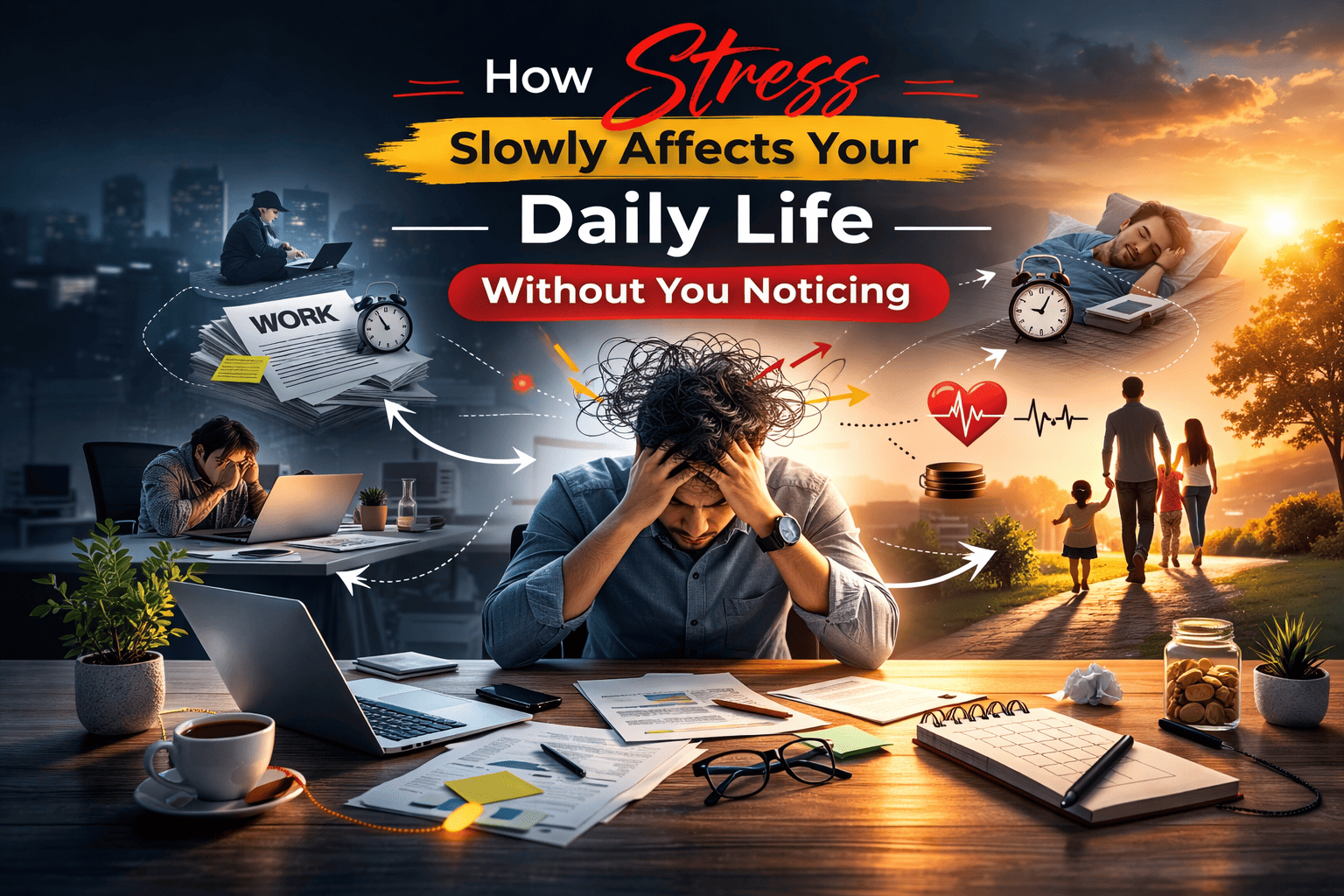
Stress is one of the quietest influencers of modern life. It rarely announces itself loudly. Instead, it slips quietly into your routine, shaping your thoughts, your emotions, and your daily functioning without you even realizing it. Many people in Louisville speak about their stress only after it has already affected their health, relationships, and sense of balance. At Associates in Behavioral Health, we often meet individuals who spent months feeling overwhelmed without knowing why. They later discover that their ongoing stress had built up slowly, turning into deeper emotional struggles that eventually required support such as anxiety depression treatment louisville kentucky to restore their peace and clarity.
Why Stress Builds Slowly Over Time
Stress is not always a sudden event. For many, it develops gradually from ongoing responsibilities, emotional challenges, financial pressure, family concerns, or work demands. When these pressures continue day after day, the body remains in a constant state of alertness. This ongoing tension begins influencing your thoughts, your energy levels, and the way you respond to everyday life.
Your body is designed to handle short episodes of pressure. However, when stress becomes a daily background presence, it begins to change patterns within your mind and body. These changes are subtle at first, which is why many people overlook them until they become difficult to ignore.
The Quiet Signs of Stress That People Usually Miss
Stress rarely starts with something dramatic. It often begins in small ways that feel normal but gradually disrupt your emotional balance.
Sleep Becomes Unpredictable
Stress affects your sleep cycle long before you notice the connection. You may fall asleep quickly from exhaustion or struggle to sleep at all because your mind is too active. Over time, irregular sleep reduces your energy and emotional strength, creating a cycle where tiredness increases stress, and stress increases tiredness.
Concentration Feels Harder
Your brain can only hold so much information. When stress fills your mental space, your ability to focus decreases. You may forget tasks, lose track of details, or feel mentally foggy throughout the day.
Mood Becomes Unstable
Stress influences emotional response more than anything else. You may feel irritated more easily, lose patience faster, or react strongly to small frustrations. These changes do not mean something is wrong with you. They simply show that stress has been affecting you longer than you realized.
Your Body Feels Heavy or Tense
Many people carry stress as physical tension. Your shoulders may feel tight. Your stomach may feel uneasy. Headaches may become more frequent. These body signals are early signs that your emotional load is increasing.
Loss of Interest in Enjoyable Activities
One of the clearest signs of long-term stress is a slow decrease in joy. You may feel indifferent toward activities you once enjoyed. Your motivation lowers, and your emotional world begins to feel muted.
This emotional decline is one of the early indicators that stress may be developing into something deeper, often requiring compassionate support such as anxiety depression treatment louisville kentucky to restore emotional strength.
How Stress Influences Your Relationships Without You Realizing It
Relationships are deeply connected to your emotional state. When stress becomes a daily companion, it affects how you communicate, connect, and respond to the people around you.
You Become Emotionally Distant
Stress reduces emotional availability. Even when you care about someone, you may find yourself withdrawing because your emotional energy feels limited. You may avoid conversations or feel disconnected from the people you love.
Communication Breaks Down
Stress makes communication heavier. Misunderstandings increase. You may become defensive or overly sensitive. Small disagreements may turn into deeper conflicts simply because your emotional space is overwhelmed.
You Prefer Isolation Over Connection
Choosing solitude is common during stressful periods. You may feel safer alone because conversations or responsibilities feel emotionally demanding. While isolation might feel comforting temporarily, it often increases emotional pressure in the long run.
Unhealthy Coping Patterns Appear
When stress becomes difficult to manage, people often turn to quick relief habits such as overeating or withdrawing. These strategies may feel helpful for a moment, but they often intensify emotional strain.
The Impact of Stress on Your Work and Daily Responsibilities
Stress affects your productivity long before you become aware of it.
Reduced Focus and Mental Clarity
Tasks feel harder not because you lack ability, but because your mental resources are being used to manage stress. You may feel overwhelmed by simple responsibilities or forget details that you once remembered easily.
Procrastination Becomes a Habit
Stress causes mental exhaustion. When your mind is tired, even small tasks feel heavy. Delaying work is not a sign of laziness. It is a sign that your emotional load is too high.
Feeling Emotionally Drained After Small Activities
Stress drains energy. By the end of the day, you may feel completely worn out even if you did not do anything physically demanding.
Loss of Career Motivation
Stress reduces your desire to grow or plan for the future. You may feel stuck or disconnected from your goals.
How Stress Connects to Long-Term Emotional Health
When stress remains unmanaged, it can grow into deeper emotional challenges.
Emotional Fatigue
You may feel emotionally numb, as though your feelings are muted. This is your mind’s way of protecting itself from overload.
Constant Worry or Fear
Stress can evolve into persistent worry. You may think about worst-case scenarios or feel unsafe even in calm situations.
Depressive Tendencies
Long-term stress can lead to sadness, low motivation, and difficulty experiencing joy. These moments do not define who you are. They are signals that you need support.
Anxiety Symptoms
You may experience restlessness, rapid heartbeat, or a sense of unease. These symptoms show that stress has been active for a long time.
Many individuals at this stage begin seeking supportive care such as anxiety depression treatment louisville kentucky to help them rebuild their emotional balance.
Why People Delay Seeking Help
People often ignore stress for several reasons.
Stress Feels Familiar
If you have lived with stress for years, it begins to feel normal. You stop noticing how much it affects you.
Belief That You Must Stay Strong Alone
Many people feel they cannot ask for help because they fear appearing weak. In reality, asking for help is a sign of emotional strength.
Lack of Awareness
Most people do not recognize early stress signals. They wait until the signs become too heavy to ignore.
Busy Lifestyles
Daily responsibilities leave little time for self-care, causing stress to grow silently.
Healthy Ways to Manage Stress Before It Becomes Overwhelming
There are practical ways to reduce stress and regain emotional balance.
Recognize Your Emotional Triggers
Understanding what increases your stress helps you respond more effectively.
Allow Yourself to Rest
Rest is not a luxury. It is essential for emotional stability.
Speak to Someone You Trust
Talking eases emotional pressure and gives relief.
Seek Professional Support When Needed
Therapy offers clarity, direction, and emotional grounding. Many people find relief when working with a professional who understands the effects of long-term stress. Support such as anxiety depression treatment louisville kentucky helps individuals rebuild confidence, stability, and emotional peace.
Final Thoughts A Healthier Future Is Within Reach
Stress affects everyone at some point in life. It grows quietly, showing signs in your emotions, relationships, and daily routines. You do not have to face these challenges alone. At Associates in Behavioral Health, many individuals find the guidance and support they need to understand their stress, regain control, and move toward healing. If you feel that stress has been shaping your life without your awareness, this may be the moment to explore how caring support including anxiety depression treatment louisville kentucky can help you begin a new chapter filled with clarity and emotional strength. Healing begins with one decision, and your well-being is worth that step.