Divorce is one of the biggest life changes a family can experience. While parents often focus on legal matters, financial responsibilities, and creating new routines, children may quietly struggle with emotions they do not know how to express. Feelings of confusion, sadness, fear, guilt, anger, and uncertainty are common, and without the right support, these emotions can affect a child’s confidence, school performance, friendships, and overall emotional well being.
At Associates in Behavioral Health, professionals understand that every child reacts differently to divorce. Some children openly express their emotions, while others hide their feelings behind silence, changes in behavior, or withdrawal from family and friends. Through compassionate guidance and personalized care, ABHKY.COM helps families navigate these challenging transitions while building healthier relationships and emotional resilience.
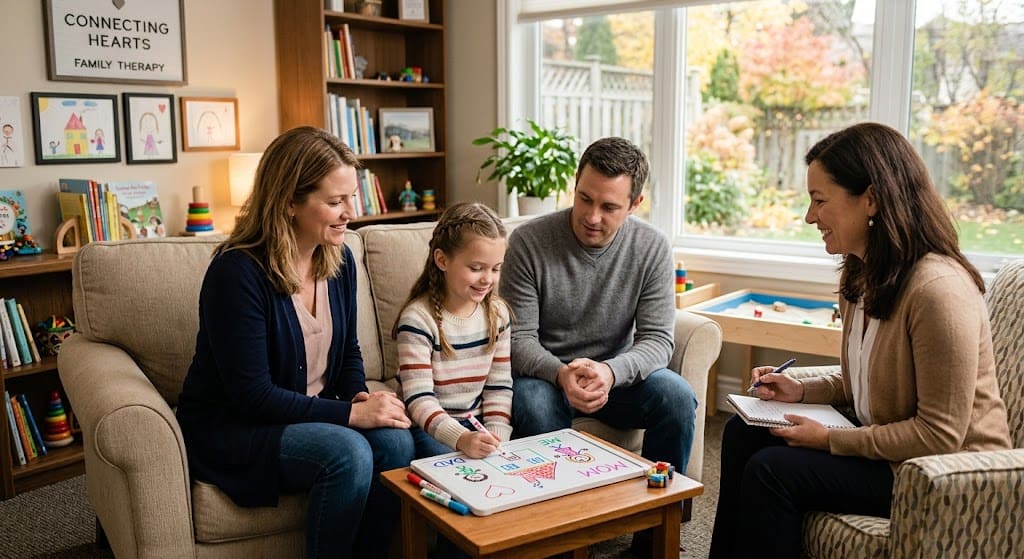
For many families, seeking Family Therapy in Louisville Kentucky is not about assigning blame. It is about creating a safe and supportive environment where every family member can communicate honestly, understand one another, and move forward together.
Throughout this guide, you will learn how divorce affects children, the emotional signs parents should watch for, and how Family Therapy in Louisville Kentucky, Kids and Teens Therapy Louisville Kentucky, Mental Health Counselling in Louisville Kentucky, and Individual Therapy Louisville Kentucky can help children and families heal with confidence.
Why Divorce Can Be More Difficult for Children Than Adults
Adults generally have a better understanding of why relationships end. Children, however, often lack the emotional maturity to process such a significant life event. Instead of understanding that the marriage ended because of adult issues, many children mistakenly believe they are somehow responsible.
Young children may think they caused arguments by misbehaving. Teenagers may become frustrated, believing their family will never feel normal again. Even when parents separate peacefully, children may still struggle with feelings of loss because the family structure they have always known has changed.
Some common emotional reactions include
- Fear of losing one parent
- Worry about moving to a new home or school
- Anxiety about future family gatherings
- Difficulty trusting others
- Anger toward one or both parents
- Feeling responsible for fixing family problems
- Sadness and loneliness
- Confusion about new routines
These feelings are completely normal. What matters most is how children are supported through this transition.
Every Child Responds Differently
No two children experience divorce in exactly the same way. Their reactions often depend on their age, personality, previous emotional experiences, and the way parents handle the separation.
Young Children
Children under the age of ten often struggle to understand why their parents no longer live together. They may become clingy, cry more frequently, have trouble sleeping, or experience regression in behaviors they had already outgrown.
Some children begin wetting the bed again, while others become unusually quiet or fearful.
School Age Children
Children attending elementary school may become distracted during class, lose interest in activities they once enjoyed, or experience declining academic performance.
Some become angry and argumentative, while others withdraw socially.
Teenagers
Teenagers often understand more about divorce, but that does not make it easier emotionally.
Instead of expressing sadness openly, they may show
- Irritability
- Mood swings
- Isolation
- Risk taking behaviors
- Declining grades
- Changes in friendships
- Anxiety about future relationships
Because teenagers value independence, parents sometimes assume they are coping well. In reality, many teenagers benefit greatly from Kids and Teens Therapy Louisville Kentucky, where they have a safe place to express emotions without fear of judgment.
Emotional Signs Parents Should Never Ignore
Children often communicate emotional pain through behavior rather than words.
Parents should pay close attention if they notice changes such as
- Constant sadness
- Increased anxiety
- Frequent crying
- Difficulty sleeping
- Nightmares
- Loss of appetite
- Sudden anger
- Social withdrawal
- Loss of interest in hobbies
- Falling grades
- Difficulty concentrating
- Frequent stomachaches or headaches without medical explanation
These symptoms do not necessarily mean something is seriously wrong, but they do indicate that a child may need additional emotional support.
Seeking Mental Health Counselling in Louisville Kentucky early can help families address concerns before they become larger emotional challenges.
How Divorce Affects Emotional Development
Childhood is a time when emotional security plays an important role in healthy development. Divorce can temporarily disrupt that sense of stability.
Children may begin questioning
- Will both parents still love me
- Where will I live
- Will I have to change schools
- Will my friends understand
- Is this my fault
- Will my parents stop loving each other forever
- Will I ever feel happy again
Without reassurance, these worries can grow over time.
Family therapy provides children with honest, age appropriate conversations that help reduce fear and build emotional confidence.
Why Communication Matters More Than Ever
One of the greatest gifts parents can give their children during divorce is honest, respectful communication.
Children do not need every detail about adult disagreements. Instead, they need reassurance.
Healthy conversations often include messages like
- We both love you very much
- This is not your fault
- You will continue spending time with both parents
- Your feelings matter
- You can always ask questions
- It is okay to feel sad or confused
These simple statements help children feel emotionally safe during uncertain times.
During Family Therapy in Louisville Kentucky, therapists help parents improve communication so children receive consistent emotional support from both households whenever possible.
The Role of Family Therapy After Divorce
Many parents believe therapy is only necessary when serious behavioral problems appear.
In reality, therapy is most effective when introduced early.
Rather than waiting for emotional struggles to become overwhelming, family therapy focuses on strengthening relationships while helping everyone adjust to new family dynamics.
Sessions often help families
- Improve communication
- Resolve misunderstandings
- Reduce conflict
- Build healthy coping skills
- Strengthen trust
- Support children’s emotional needs
- Create realistic family expectations
- Develop healthier routines
At Associates in Behavioral Health, therapy is never about choosing sides. The focus is helping every family member feel heard, respected, and supported.
Helping Children Feel Safe Again
Children thrive when they know what to expect.
After divorce, even small routines can provide comfort.
Parents can support emotional stability by
- Keeping consistent bedtime routines
- Maintaining school schedules
- Continuing favorite family traditions
- Encouraging regular meals together
- Celebrating birthdays and achievements
- Allowing children to express emotions freely
Predictability helps children regain confidence during uncertain times.
Therapists often encourage parents to focus less on creating the perfect environment and more on creating a loving, emotionally safe one.
Supporting Children Without Putting Them in the Middle
One of the most challenging mistakes parents sometimes make is unintentionally placing children in the middle of adult disagreements.
Children should never feel responsible for delivering messages between parents, choosing sides, or listening to negative comments about either parent.
Healthy co parenting allows children to maintain positive relationships with both parents whenever it is safe and appropriate.
During therapy, families learn practical strategies for reducing conflict while protecting children’s emotional wellbeing.
When Individual Therapy Can Also Help
Although family therapy benefits the entire household, some children may also benefit from Individual Therapy Louisville Kentucky.
Individual sessions give children a private space where they can discuss thoughts they may hesitate to share in front of parents.
Therapists help children
- Understand complex emotions
- Build confidence
- Learn healthy coping skills
- Reduce anxiety
- Improve emotional regulation
- Develop problem solving abilities
- Strengthen resilience
Every child deserves a place where they feel completely safe expressing themselves without fear of disappointing the people they love.
Building Healthy Co Parenting Relationships
One of the greatest challenges after divorce is learning how to work together as parents while no longer being partners. Children benefit the most when they see both parents treating each other with respect, even if they no longer agree on everything.
Healthy co parenting is not about being perfect. It is about creating consistency and emotional security.
Parents can support their children by
- Speaking respectfully about the other parent
- Following similar household rules whenever possible
- Keeping children away from adult disagreements
- Communicating calmly about schedules and important decisions
- Encouraging children to maintain loving relationships with both parents
When parents work together, children are more likely to feel safe, confident, and emotionally balanced.
During Family Therapy in Louisville Kentucky, therapists help parents develop communication skills that place the child’s emotional wellbeing above conflict.
Helping Children Express Their Emotions in Healthy Ways
Many children struggle to find the right words for what they are feeling. Some may become quiet while others become angry or frustrated. Rather than assuming a child is simply acting out, parents should try to understand what those behaviors might be communicating.
Healthy emotional expression can include
- Talking openly about feelings
- Drawing or painting emotions
- Writing in a journal
- Reading books about family changes
- Spending time outdoors
- Participating in sports or creative activities
- Practicing relaxation exercises
Parents should listen without immediately trying to solve every problem. Sometimes children simply need to know someone is listening and understands how difficult the situation feels.
Helping Children Build Confidence Again
Divorce can sometimes affect a child’s self esteem. They may begin questioning whether they are lovable or worry that other relationships will eventually end too.
Parents can rebuild confidence by
- Praising effort rather than perfection
- Celebrating small achievements
- Encouraging independence
- Maintaining routines
- Spending quality one on one time together
- Showing affection consistently
- Allowing children to make age appropriate decisions
These everyday moments remind children that they are valued, loved, and supported regardless of the changes happening around them.
Supporting Teenagers Through Divorce
Teenagers often experience divorce differently than younger children. While they may appear more independent, they still need emotional guidance.
Teenagers may struggle with
- Trusting future relationships
- Increased anxiety
- Anger toward parents
- Academic pressure
- Social withdrawal
- Difficulty concentrating
- Feelings of uncertainty about the future
Instead of assuming teenagers want to be left alone, parents should continue checking in regularly while respecting their growing independence.
Professional Kids and Teens Therapy Louisville Kentucky gives adolescents a confidential environment where they can discuss difficult emotions without worrying about hurting either parent’s feelings.
Common Mistakes Parents Should Avoid
Parents naturally want to protect their children, but certain behaviors may unintentionally make adjustment more difficult.
Avoid
- Asking children to choose between parents
- Speaking negatively about the other parent
- Sharing legal or financial problems
- Using children as messengers
- Expecting children to comfort adults
- Ignoring emotional changes
- Comparing siblings’ reactions
Every child processes change differently. What works for one child may not work for another.
How Family Therapy Creates Lasting Change
Family therapy does much more than address immediate emotional concerns.
Over time, families often experience
- Better communication
- Greater emotional understanding
- Stronger trust
- Improved conflict resolution
- Healthier parenting strategies
- Increased emotional resilience
- Better sibling relationships
- Stronger long term family connections
These positive changes often continue long after therapy sessions have ended.
Rather than simply focusing on today’s challenges, therapy helps families develop lifelong skills that strengthen relationships for years to come.
Why Early Support Makes a Difference
Many parents wait until emotional problems become severe before seeking professional help.
However, addressing concerns early often leads to better outcomes.
Children who receive support soon after major family changes frequently develop healthier coping skills, stronger emotional resilience, and greater confidence navigating future life challenges.
Early intervention also reduces the likelihood that temporary emotional struggles will develop into long term behavioral or mental health concerns.
Seeking Mental Health Counselling in Louisville Kentucky early is not a sign that something is wrong with your family. It is an investment in your child’s emotional future.
Every Family’s Journey Is Unique
No two divorces are exactly alike, and no two children heal in the same way.
Some children adjust within a few months, while others need additional time and support. What matters most is creating an environment where children know they are loved, accepted, and safe.
Parents should remember that healing is rarely a straight path. There may be good weeks followed by difficult ones. This is a normal part of emotional growth.
With patience, consistency, and professional guidance when needed, families can build a positive future together.
Frequently Asked Questions
How do I know if my child needs family therapy after divorce
If your child shows ongoing sadness, anxiety, anger, declining school performance, social withdrawal, sleep problems, or difficulty adjusting to new routines, professional support may be beneficial.
Can younger children benefit from therapy
Yes. Children of nearly every age can benefit from age appropriate therapeutic support that helps them understand and express their emotions in healthy ways.
How long does family therapy usually last
The length of therapy depends on each family’s needs, goals, and progress. Some families benefit from a few months of support, while others choose longer term guidance.
Is individual therapy recommended along with family therapy
In many situations, combining Individual Therapy Louisville Kentucky with Family Therapy in Louisville Kentucky provides children with additional opportunities to explore their emotions privately while also improving family communication.
Conclusion
Divorce changes the structure of a family, but it does not have to define a child’s future. With understanding, patience, open communication, and the right professional support, children can develop resilience, confidence, and healthy emotional skills that serve them throughout life.
At Associates in Behavioral Health, families receive compassionate care designed to help every member navigate life’s transitions with confidence and hope. Whether your family is adjusting to a recent separation or continuing to face emotional challenges months later, the experienced team at ABHKY.COM is committed to helping children and parents build stronger relationships and healthier futures together.
If your family is searching for Family Therapy in Louisville Kentucky, Kids and Teens Therapy Louisville Kentucky, Mental Health Counselling in Louisville Kentucky, or Individual Therapy Louisville Kentucky, reaching out for support can be the first step toward healing. Every child deserves to feel heard, understood, and supported, and every family deserves the opportunity to grow stronger together, even after life’s most difficult changes.